


Eggs are inexpensive and nutritious, but many are cautious due to their high cholesterol content. High blood cholesterol levels have been connected with a higher risk of cardiovascular events and vice versa. For this reason, some sources have recommended that people consume less than 300 mg of cholesterol per day. This practically rules out regular […]

A study published in the New England Journal of Medicine shows that higher blood glucose levels may increase the likelihood of dementia. This statement holds true even for those who do not have diabetes but consistently exhibit higher than average blood sugar. The ability to stay physically active is an important component to controlling blood […]

As temperatures drop, heart attack risks may increase. Cold weather along with increased physical inactivity, and seasonal illnesses all contribute to a higher risk of cardiovascular events. Why Winter Increases Heart Attack Risk Cold Weather ConstrictionCold temperatures cause blood vessels to constrict, raising blood pressure and putting added strain on the heart. Increased Blood ClottingCold […]

Some people are naturally more sensitive to the cold, and for some—especially older adults—this feeling persists year-round. If you or a loved one frequently ask, “Why am I so cold all the time?” there could be several of explanations, from medical conditions to lifestyle factors. Common Causes of Feeling Cold Low Body Weight: Less body […]

The belief that mental exercises can protect against dementia is now backed by research, but it turns out that not all brain games offer the same benefit. So, which type of mental exercise is the most effective? New findings from the Alzheimer’s Association International Conference reveal that speed-of-processing cognitive training may be the most impactful. […]

In today’s fast-paced world, it’s not uncommon for individuals to occasionally forget or choose to skip their medications. Whether it’s due to busy schedules, side effects, or a belief that they no longer need the medication, this decision can have significant health implications. Understanding the Importance of Medication Adherence Medications are prescribed for a reason. […]
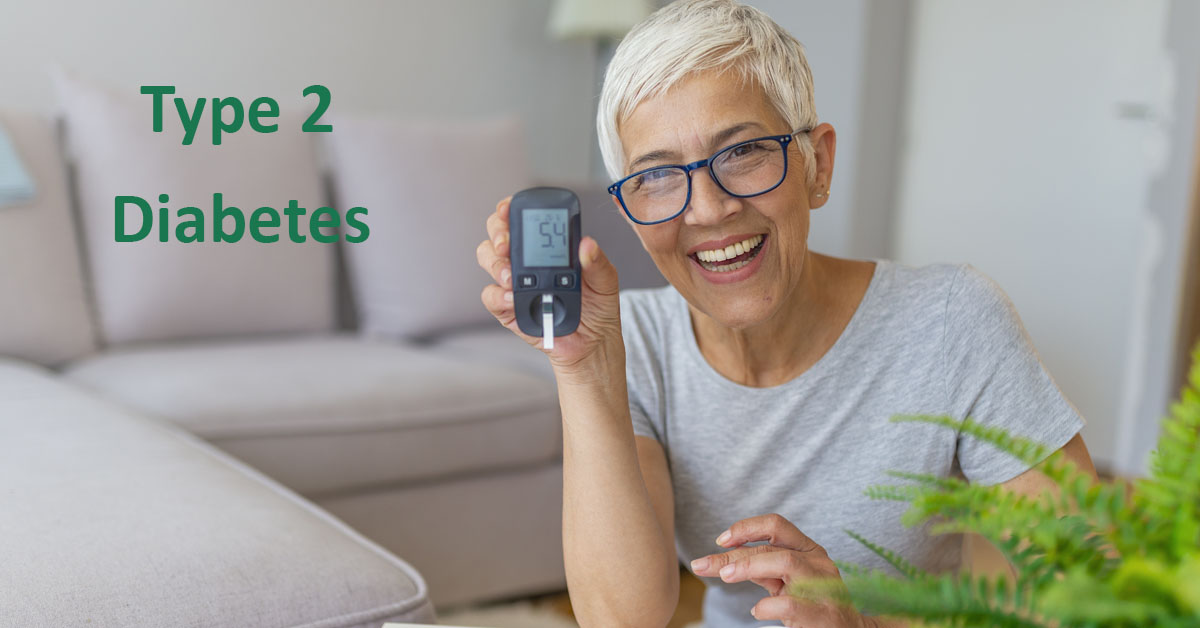
November is American Diabetes Month, making it a perfect time to raise awareness about type 2 diabetes—the most common form of diabetes in the United States. Type 2 diabetes develops when the body can no longer effectively regulate blood sugar. Over time, cells become resistant to insulin, prompting the pancreas to produce more. Eventually, the […]
October is Breast Cancer Awareness Month, an international campaign dedicated to raising awareness about breast cancer and encouraging regular screening and early detection. Breast cancer is the most common cancer among American women, following skin cancer, with 1 in 8 women being diagnosed at some point in their lives. Early detection is crucial, as it […]

Have you ever taken a peek at the notes your doctor or healthcare provider jots down during your visit? If you haven’t, you might want to start. These notes can be a treasure trove of insights about your health and a handy reminder of what was discussed. However, they’re often filled with medical jargon, complex […]

As summer brings longer days filled with swimming, cookouts, and gardening, it also heightens health risks for older adults, who are more susceptible to heat-related issues such as faintness, cramps, swelling, exhaustion, and potentially life-threatening heat stroke. Factors like chronic illnesses, certain medications, and poor circulation further increase these risks. To help your senior family […]
