


Getting good sleep affects far more than how rested you feel the next morning. Sleep supports cardiovascular and brain health, and a growing body of research has linked several types of sleep problems with a higher risk of stroke.[1] The American Heart Association reviewed the evidence in a 2024 scientific statement on sleep and brain […]

Recent research continues to examine the relationship between physical activity and blood glucose levels, including whether the timing of activity around meals may influence blood glucose responses. A 2024 systematic review and meta-analysis published in Diabetes Research and Clinical Practice examined 28 human intervention studies comparing physical activity performed before meals with activity performed after […]

We understand that maintaining personal hygiene is an important part of overall health, comfort, and quality of life. For many individuals receiving home health services, bathing can become difficult due to limited mobility, illness, injury, or age-related changes. Our goal is to provide compassionate bathing assistance that helps clients feel safe, respected, and confident while […]

A study in Cureus highlights a hidden but powerful factor behind medication non‑adherence in older adults: mild cognitive impairment (MCI). Researchers evaluated 436 adults aged 60+ living with chronic conditions. Their findings were eye‑opening: Why it matters:MCI often goes unnoticed, yet it directly affects daily routines like managing multiple prescriptions. When cognitive changes aren’t recognized, […]

Dogs are famous for their remarkable sense of smell. They can detect subtle changes in human scent, including shifts linked to certain medical conditions. One of the most useful examples is the work of diabetic alert dogs, who can be trained to warn people with type 1 diabetes when their blood sugar is dropping dangerously […]
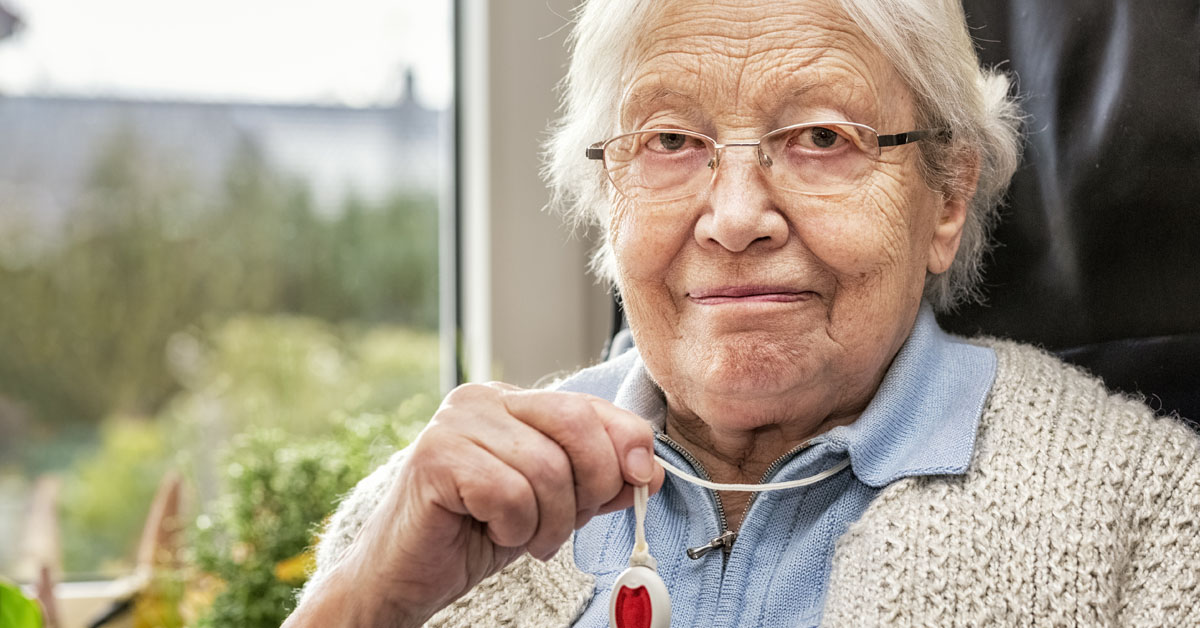
Falls are one of the most serious health risks facing older adults. In fact, they are the leading cause of both fatal and nonfatal injuries among people age 65 and older. Each year, about 1 in 4 older adults experience falls, often resulting in injury, hospitalization, or a loss of independence. The good news is […]

Alzheimer’s disease is a progressive condition that affects the brain, gradually impacting memory, thinking, and behavior. In its early stages, individuals may notice mild memory loss. As the disease advances, it can lead to significant cognitive decline, including difficulty with decision-making and problem-solving. In later stages, individuals may lose the ability to carry out everyday […]

The U.S. Food and Drug Administration (FDA) is warning pet owners, veterinarians, healthcare providers, and pharmacists about the dangers certain topical pain medications may pose to pets. Products that contain the nonsteroidal anti-inflammatory drug (NSAID) flurbiprofen can cause serious illness, or even death, if animals are exposed to them. Even very small amounts of the […]
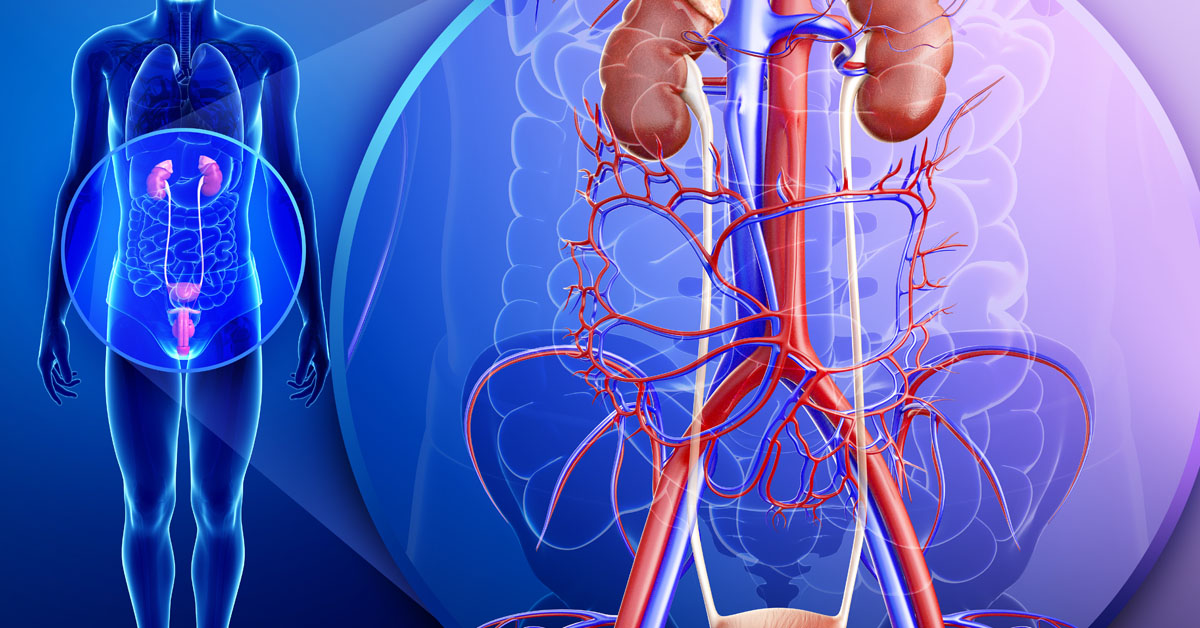
Most people know that drinking plenty of fluids can help prevent kidney stones, but studies show what you drink matters as much as how much. Not all beverages affect stone risk in the same way. A number of large studies have found that people who frequently consume sugar-sweetened drinks, especially sodas, are more likely to […]

If you love chocolate, there’s some encouraging research, but the reality is a bit nuanced. Several scientific studies have explored whether chocolate consumption, particularly moderate amounts, is linked to better heart health and a lower risk of stroke. Much of this attention focuses on cocoa’s natural compounds, especially flavanols, which are plant-based antioxidants that may […]
